
Philosophical musings

What Do You Think About The Stars?

Well… this is not astronomy or astrology or astrophysics. I have nothing to do with any of those.

I simply think of stars as stars; luminous lanterns created to shine in the sky, to guide, or once used to guide, our ancestors across land and sea all over the globe. 

Strange how little we see of them nowadays. They still exist in abundance up there in the sky, but most of us are busy, mainly chasing human stars, brand stars, evaluation stars, review stars, and those golden and silver stars. But those literal stars cannot compare to a single luminous creature shining up there in the sky. Its distance, its quality, its meaning, its light, its power, its mystery, all are beyond compare.

In olden times, when human life was deeply connected with those sky lanterns, people personified them as the best of the best. Those far away stars were friends, listeners, watchers, consultants, lovers, and more. Poets wove them into poetry. Travellers took them as companions. Workers waited for them. Children counted them. Lovers dreamed beneath them. Even animals and birds nestled into their places with the first sight of them.

Have you ever noticed how real stars rarely appear amid noise? You have to seek them in quiet, simple places ; on mountains, by the sea, across dessert sands, or anywhere tranquil. Their silver light is a treasure, revealed only to those who pause to appreciating it. 

Now what do you think about the stars?

Here’s a verse from Gibran’s poem,

“The sorrow of the soul is nothing but an illusion, that doesn’t last, and the clouds of the soul reveal the stars within its folds.”

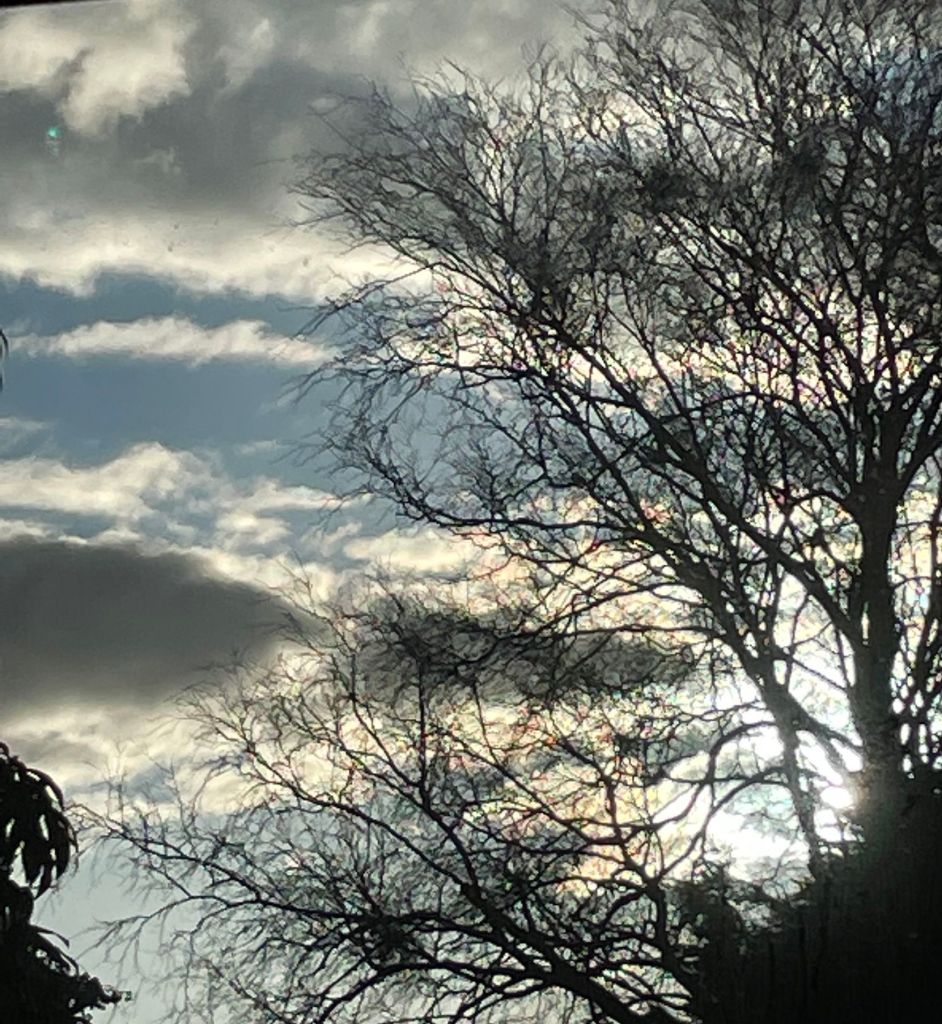
Can you see that the stars symbolise the light that can be seen even in the most greyest and darkest night—yourself?

With hope and peace,

Nahla

personal thoughts

Hate Or Envy

Both are destructive feelings, but which one do you think is worse?

I don’t know about you, but I believe envy is far more harmful and destructive. It’s envy that opens the door wide to hate, but not the other way around. For example, you hate evil, but you would never envy it. Hate is a stong word which is used for limited and specific reasons or occasions — that’s how our hearts work.

Isn’t it interesting that the heart in Arabic is called Qalb which means something that constantly turns or changes? This can explain why the people or things you hate today, might be the ones you like tomorrow.

On the other hand, envy is an awful disease. It is fed by pride, grows on jealousy, and produces one rotten fruit — hate. It begins as a small, sickly plant called jealousy. One day, you notice that your colleague at college is popular and beloved by all. You start watching them, and wishing them ill. That is when the sharp thorns of envy begins to sprout on the sickly plant. Eventually, you start plotting against your colleague. By this point, the rotton fruit of hate has blossomed, bearing no goodness, and knowing no mercy.
“I want what is yours” “I am better than you” “I will destroy you” the envier whispers, and laughs out loud.

Years ago, my teacher spoke to us about the dangers of envy, describing it as a satanic trait. “Hadn’t Satan been jealous of Adam? Hadn’t he envied Adam? Hadn’t he promised to destroy Adam and all his descendants? He had, full of pride, and challenging God,” my teacher explained and advised us to strive for a positive and healthy mindset. “Instead of focusing on the others, focus on yourselves. If you admire something in others, try to create your own version of it. And, if you find things staring to lean towards envy, pray and pray and pray. God will guide you towards finding your way out.”

May your heart never know envy, and be full of love!

Amen

With hope and peace,

Nahla

Just writing

Villians


Have you ever, even somtimes, sympathised with those villians who are dramatised in movies and fiction, as kind hearted people with noble deeds? Something like, they rob banks but they also give plenty to the poor. Worse still, especially when it’s a love story with handsome characters, you go ahead and analyse their cases from a psychological point of view, mainly to make them victims not criminals.

Your analysis would suggest that, perhaps, it was the hard circumstances, the upbringing, ignorance, injustice, and sometimes even boredom, that forced them to follow the devil. Of course, that suggestion doesn’t entirely destroy the goodness inside villians.

And, in conclusion, you would also suggest that villians need a chance, an open door, or a relocation to shed their devilish skin. Then, with a new brand of skin, they would be able to listen to their nagging conscience and pump some light into their dark heart. Things might work this way, but it might not becuase there might be other scenarios.

What if they don’t have a nagging conscience? What if they block the light instead of letting it penetrate their dark hearts? What if repentance wasn’t in their dictionary and power and egotism are their main, sole creed?  What if the devil himself was just an apprentense in their handicraft? And finally, what if they want to always play the villian, the highly qualified egonist?

Would you still sympathise with them, and cry at the end of the story because they were hanged, prisoned, and didn’t have a second chance?

Why don’t you, while reading the story, consider that God surely hasn’t assigned villians to rob the rich to feed the poor?

Have you ever thought that, with all excuses, all masks, and all pretences, vilians can’t erase their malicious achievements from their resume without adding a pure, repentent heart to it? Of course that does not mean that a villian would straightaway turn into an angel, but they, probably, would turn straightaway into a human with a living heart.

Would you, as a reader, prefer a story that makes you weep for joy after the lost soul finally starts seeking light? Or would you just enjoy a story for its adventure regardless of the route it takes, just the journey for its own sake?


With all the best wishes,

Nahla