
Just writing

All together, All at Once

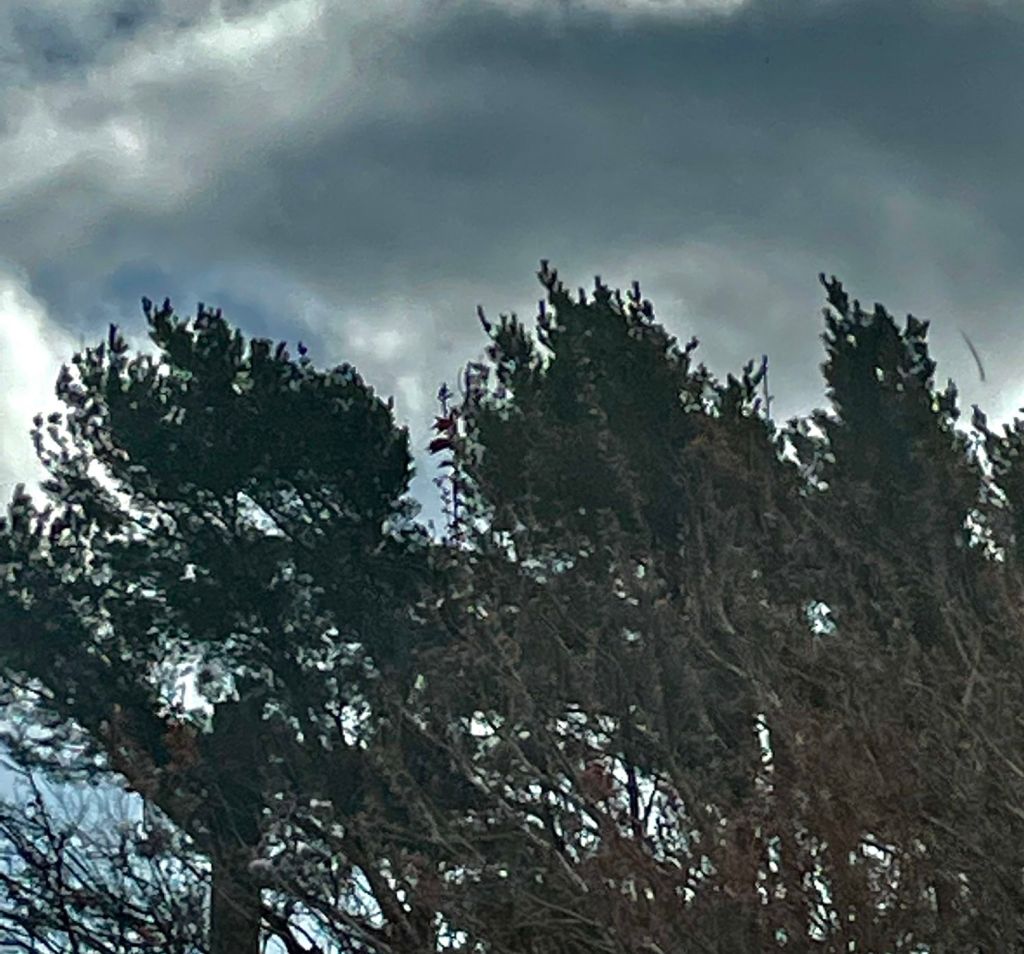
Today is a typical English weather day.

It’s windy, really windy, with gusts about 45mph.

And it’s sunny and warm. You could say… it is neither warm nor cold.

And it’s cloudy, and what beautiful clouds we have today; grey, white, and golden yellow. A stunning portrait of natural beauty!

And it will be rainy ( a bit later.) Still let’s imagine it; drizzles then light then heavy showers.

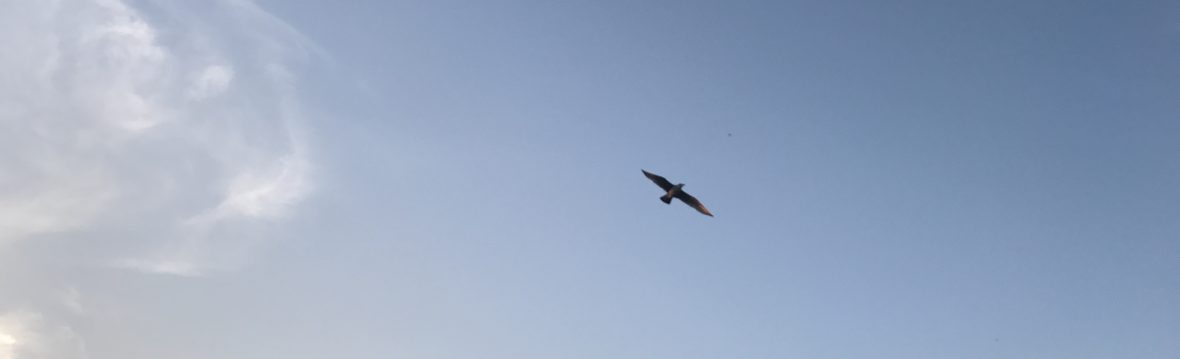
And it’s a busy morning: wind rustling, birds soaring and singing, trees swishing, cars racing, buses braking, children hollering, road workers drilling, and aeroplanes whooshing through the sky. What a real, live soundtrack!  

Won’t this beauty make you happy, make you alive, make you feel blessed?

How many times do we have this beauty all together, all at once?

Sometimes all we need to do is to set aside whatever we’re doing, stand by the window, and simply look around.

With hope and peace,

Nahla
personal thoughts

Can We Foretell the Future?

“…it is impossible to foretell the future with any degree of accuracy, that it is impossible to rehearse life.”

This post is inspired by this quote from A Room with a View by E. M. Forster—a book I finished reading a few days ago.

There’s an interesting irony woven naturally into the story. It’s about life, reminding us that it isn’t a script to be read, memorised, or rehearsed. Instead, it flows and surprises us in unexpected ways.

Strange, how others, unintenionally, play a role in paving our path to happiness without being a part of it.

Strange, how those who wish us ill end up helping us grow and live better lives.

Strange, how annoying, boring delays save lives.

Strange, how the rush—that nagging impulse—is just an urgent call to fulfil something before it’s too late.

And isn’t it strange how we make plans, rehearse good speeches, feel things under control…, and then life surprises us in the most miraculous ways.

Isn’t that just life?

Isn’t that why God reminds us: it’s temporary?


With hope and peace,

Nahla

Books

Have You Read This Book?

I’ve just finished reading A Passage to India by E.M. Forster. It’s a well-known novel in the history of fiction, regarding orientalism, imperialism, and colonisation. You may have read or heard about it. As for me, I honestly came across it while reading another book.

The book reminded me of Edward Said— have you ever come across this author? I hope you have. I read two or three of Said’s books while studying for my postgraduate degree in Religious Studies. You might wonder how I went from my undergraduate degree in English Language to Religious Studies, but that’s a story for another day.

Now, back to A Passage to India. I am not going to review the story— there are already enough, in case you’re interested. I’d just like to share a thought that struck me while reading it.

True friendship can never exist where pride and prejudice surround it. Such an atmosphere cannot creat and nourish a healthy relationship. Mottos become empty words when superiority and inferiority are hidden behind the nice, smooth facade of so-called communication.

We are created different—in colours, shapes, tongues, and even beliefs. So why does one side decide to change God’s plan, or worse, play God in this temporary life?

So, for example, how can a man travelling by aeroplane be considered more civilized than another by horse? Why is a scientist seen as more civilized than a Bedouin? And why is a millionaire thought to be more civilized than someone earning a modest wage? And, as if that were not enough, this so-called the “civilized” often seek to dominate and humiliate those they call the “less fortunate.”

This is simply what A Passage to India is all about. Friendship that seems possible at first, but cannot last because it grows in a world full of pride and prejudice. That world doesn’t see differences as diversity—but opposition.

Ironically, the author himself tends to present things more as opposites  than as differences—framing them as superior and inferior, or, to put it more nicely, as the fortunate and the less fortunate.

I think Forster merged this duality unintenionally because he belonged to that generation. Even if he struggled with some internal conflict on this issue, he couldn’t overcome it—just like Fielding in the story. Besides, both were atheists, and their views seemed to slip away from the concepts of divine mercy and justice, which might have offered them a different perspective for building a true friendship.


With hope and peace,

Nahla

personal thoughts

Liked Or Admired


Which one do you prefer: to be liked or to be admired?

This question is not an easy one to answer, so think carefully and take your time before answering it.

Is there anyone who doesn’t want to be liked or, at least, once, admired? I believe there isn’t.

But here’s the thing — you might be liked by many, but you can’t be admired by many. Do you why? Let me explain my perspective.

When you like someone, you feel comfortable, welcome, and happy in their company. That’s how friendship begins — through liking and connecting. But we also experience this feeling in everyday interactions – whether in person or online. It’s a feeling that is spontaneous, common and simple. It doesn’t need time, effort, or contemplation. I imagine you’re already thinking about the many things and people you like— I have done the same. And they can be anyone: the neighbour, the doctor, the teacher, the postman … the list goes on.

On the other hand, when you admire someone, there’s something in that person that evokes respect and awe — it’s what people mean when they say, “You take your hat off to them.” Admiration doesn’t require connection or communication; It just creates recoginition and leaves a lasting, positive impression. Unlike liking, admiration is complix, rare, and deep. It needs time, effort, and contemplation.

Not everyone or everything you like will earn your  admiration, right?  But isn’t admiration a form of liking?

Imagine a teacher who assigns a special writing task to her class once a year. She’s been teaching for years, knows each of her students well, and liked them all. But because of this special writing task, she discovers more about each one of them. As she reads and marks their work, she finds a piece or two that are not like the rest; a piece that makes her think deeply, feel differently, and even learn something new. She gives that piece full marks — that’s another way of taking the hat off  to the exceptional. And that’s admiration.

Now back to my first question: do you prefer to be liked or admired?

I would say I’d rather be liked and let admiration come along whenever possible — as an unpredictable surprise.

With hope and peace,

Nahla