
personal thoughts

A Well – Furnished Mind

Having a well- furnished mind is usually interpreted within academic qualifications. But is that the only method to furnish and nourish our minds? Take your time to think about it. I did take mine while reflecting on my own experience

You have to go to school to learn, then to universities to earn a degree, and if you can afford it, pursue the higher level of postgraduate studies. At each stage, our minds are expected to grow and develop — and they do, unless incidents like cheating and plagiarism are involeved. That’s why education has become the most powerful weapon both nations and individuals strive to possess. And, this is how I have been raised, following this strategy. Still this strategy is not the only method to effectively furnish your brain.

How did you feel when you finished your academic studies and stepped into the real world? Did you feel as if you had entered a new phase of practical education taught through real life experiments in real life labs? Did you feel this confrontation shaking you to the core because, in most cases, you were not ready to learn more or to abondon what you had already spent years learning. That’s exactly how I felt after my graduation.

I have learned and am still learning more from life — with its people, its places, its changes, and its ups and downs. I’ve learned from reading,  imagination, writing, and blogging. All of  these things and more have nourished and furnished my mind. You know what?  I really feel blessed to be a full — time mother, because it has given me more time to become the person I truely like to be.

With hope and peace,

Nahla

personal thoughts

Without Why?

The rose is without why
She blooms because she blooms
She does not care for herself
Asks not if she is seen

Isn’t this a beautiful poem?

And, yes, why ask why when the answer shines clear like daylight in summer?

And, why ask why when others might not see you, yet you know you do exist?

And why ask why nobody cares when you believe there’s a God who always cares?

Do we need to give reasons, seek appreciation, or crave validation to exist in this world?

But we do exist, and all we need is to be ourselves. In other words, all we need is authenticity to find our peace of mind, our beauty, and our own journey in life.

Now, do you know why the rose lives without why? Or, perhaps, you have a different interpretation of the poem?

With hope and peace,

Nahla

personal thoughts

Natural Catastrophes and Humans’ Inhumanity

Natural catastrophes happen. At school, we study the basics about earthquakes, volcanoes, floods, tsunamis, storms, and more. Meanwhile, scientists have been studying, investigating, analysing these phenomena over the years. There’s no doubt that they have been doing their best — researching, trying to find solutions to help and save lives whenever disasters happen, but they can’t prevent them.

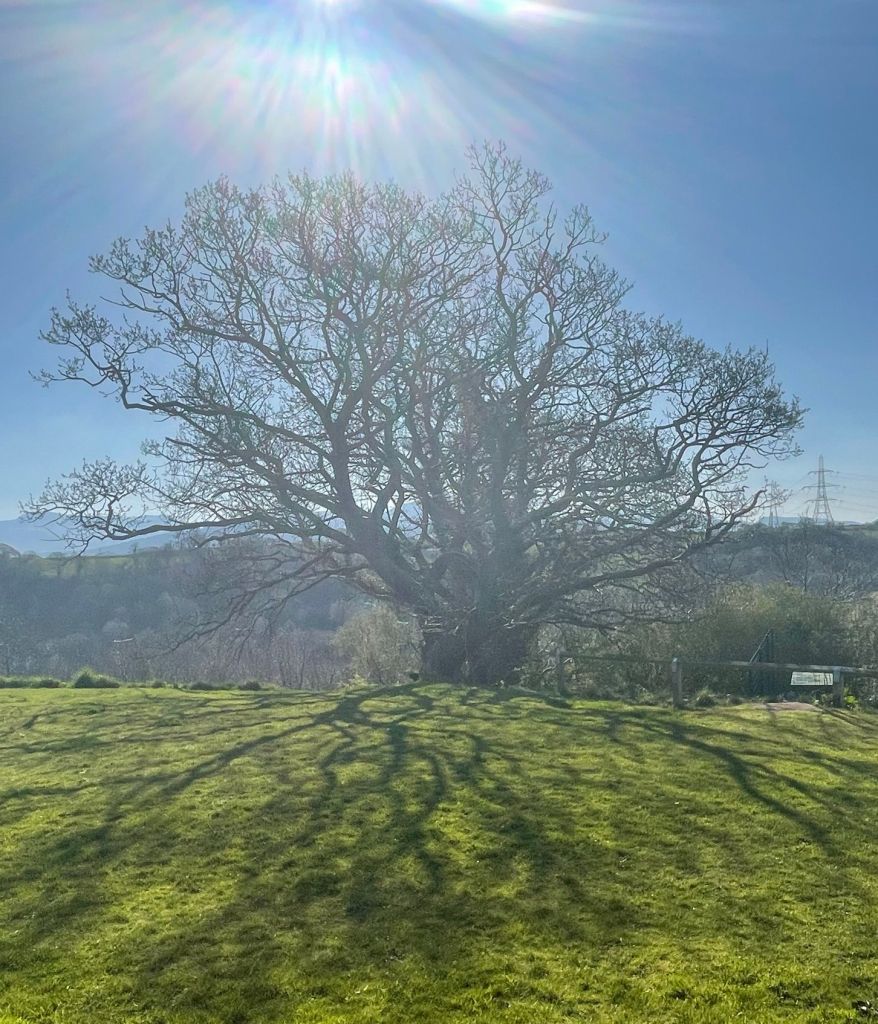
Scientists can create robots, smart technologies, and floating cities in the sky or on the seas, but they can never recreate this world, this earth, even this tree I am looking at through the window. And they truely know this fact. They understand that when faced with natural phenomena, their ulimate abilities and genius can mainly focus on predictions, solutions, and protections — there’s no way to prevent, challenge, or defeat them. Creation is not man-made, but divinely crafted by the One Creator.

It’s heartbreaking when you hear, see, or read about innocent  victims losing their lives, or those of their beloved ones, in any of these catastrophes. But as we say in Arabic, there are many causes of death, but death is the same. In other words, when one’s time comes, they will pass away whether because of a natural catastrophe or peacefully in their cosy bed.

Now, let’s turn to human inhumanity, which causes more damage, more cruelty, more bloodshed than what natural catastrophes ever do. Do you know why? Because human inhumanity destroys all noble and humane concepts that could help create a new beginning. During natural catastrophes, kindness, sympathy, and goodness are revived, spread, and shared by people around the world. However, in human inhumanity, the world takes sides. The news of innocent victims is suppressed, ignored, and marginalised.

Would you pay a little attention to that brief, end ‐of -the news addition about those innocent victims of inhumanity in other parts of the world, and at least remember them in your prayers?

With hope and peace,

Nahla


Just writing, story

April and its long-awaited bright days


As far as I can remember I haven’t known anyone with a birthday in April. The calendar has at least one birthday marked on every month ‐ except April. Not that it makes much of a difference, but the thought just crossed my mind. Perhaps, one of you reading this post is celebrating a birthday this month?

But it’s a beautiful, springy month. When it arrives, it announces the beginning of long days and short nights. What’s more, it relieves us from the long month of March. Have you ever noticed how those thirty-one days of March feel like the slowest in the entire calendar? Perhaps, It’s just me feeling that, but they really crawl at a turtle’s pace.

Have you ever heard about the Nile Bride? In case you haven’t, here’s the story.

Once upon a time and in a special April day, during the Pharaonic era, the Ancient Egyptians decided to offer a maiden bride as a sacrifice bride to the Nile. They believed this act would make the river flow all over the year and bring abundant harvests.

The bride was chosen at a young age. The status of her family was important, and so was her record of medical health. And, of course, she had to learn swimming. After all, it would be a shame, if history said that the Ancient Egyptians who built the great pyramids used to sacrifice a bride who couldn’t swim on the Nile’s alter. Besides, the Nile would expect a beautiful bride not a corpse. Therefore, the Great King would deliver a memorable speech at the ceremony, clearing up  any misconceptions or alterations about the sacred rules that might emerge in the future.

‘The Nile isn’t an artificial lake or a small muddy pond. It is the lifeblood of  Egypt,’ boasts the king. ‘Our Nile deserves the best, and his bride shall be our queen for an entire year.” The king voice reverberates, and the crowd cheers. ‘This gold crown with all its diamonds and holy stones is your dowry, our Nile Bride, our queen.’ The king places tge crown on the bride’s head, offering  her his blessing.

‘And if you don’t survive, our Nile will still be pleased, for the dowry will return to its holy source,’ the king declared, his gaze fixed on the bride. ‘Now you have two wishes; one to be gratnted if you return safe and sound, and one to be fulfilled if you don’t.’

Silence enveloped the entire scene. The crowd stood tall, strong, and mute like granite statues. The birds hid among the trees. The horses grazed here and there, moving as quietly and slowly as old turtles. The only sound that made the scene live was the river’s flow – elegant, smooth, and shimmering.

The bride, in her white Pharaonic dress embroidered with blue, red, oranges, and yellow jewellery across the chest, felt a terrible headache. The crown on her head weighted as if it were ten tons, making it too difficult to think and impossible to make any wishes. She felt the blood in her small head trapped and squeezed inside her veins. For a moment or two, only two wishes lingered in her mind, and were on the tip of her tongue, ready to escape her lips, if she hadn’t sealedthem shut just in time. For the wish she’d make if she survived, she wanted so much to push the king into the river, wearing the same crown to see whether he would make it out alive. And for her wish if she didn’t survive, she prayed the king would have the honour of diving into the sacred river himself to retrieve the holy crown without any blessings, without assistance.

The bride glanced at the king, but his stern, hard gaze warned her that she was running out of time, and he was on the verge of losing his patience. Did he read her mind? She swallowed hard and forced a smile.

”I have no wishes, Your Highness, other than to wish you a prosperous afterlife in the great pyramid,’ she replied and jumped into the river.

The bride survived and the king was buried in the great pyramid.


Of course, this story is purely fictional — I made it all up. You can think of it as one of April Fool’s Day pranks. And, to be more honest, I have no idea if the legend of the Nile Bride is related to the month of April.

With hope and peace,

Nahla

personal thoughts

Please Follow The Recipe

But I can’t. I have to take off something, add something, or change something. Don’t they say you should have your own signature? I totally agree.

Honestly, it’s interesting to watch how others use measuring cups, measuring spoons, a special knife for a special job, etc — so neat and accurate. But some people do not feel comfortable, and cannot work efficiently this way. Some people mainly save the main ingredients, omit the extras, and play without measurements. It’s easier, more fun, and feels special this way. If you relate in this context, then you should have heard of the traditional, old fashioned kitchen club. It’s different from today’s kitchen, with its sophisticated equipment, countless ingredients, and artificial colours and flavours.

By the way, you can count me as a member of this Traditional Kitchen Club. Would you like to join? While thinking, let me explain a few points.

When joining this club,  you need to be both patient and smart. There will be moments when you face problems and can’t evade embarrassment. Here are some extracts from my no-fixed measurements experience.

Say, for example, you have guests, and they praise and applaud your hospitality. But then, things don’t stop at liking and praising, for they become intrigued to know your unique recipe, and perhaps save it. Here’s my reaction as a member of the club:

‘The ingredients are ….’ I list them and pause for there is nothing else to add. I don’t have specific measurements. ‘hmm, you know…  sometimes measurements vary, depending on personal preferences.’ I explain with a smile.

Now, remember that these occasional visits with guests are much easier than your everyday interactions with your family. You should thank God that you don’t have guests everyday, do you? Here’s some snaps of my everyday experience that you might expect from your family in case you decide to join this club.

Whenever my daughter helps me in the kitchen, she asks the usual questions: ‘how many spoons to add?’ Big or small? Which cup? How long to stir? How long to wait?’ Now she’s the aprentice, and I am the chef, and to make things easy for both of us,  I have to estimate. But honestly, my estimations, most of the time, make things taste a bit different — or sometimes entirely different.

And there’s another challenge with my sons. They rely on their own measurements, but they don’t stop asking questions: “Which is which?” “Where is that?” “Can’t find it.” “Please put labels on things, mama.’ I finally did, though as a member of the Traditional Kitchen Club, I am convinced that your sense of smell is all you need to find what’s required for the recipe.

Now it’s tea time – traditional black or green tea. But according to the club, adding herbs to tea is beneficial, so I add some: mainly mint, cardamom, rosemary, or somtimes, thyme which tastes great with tea. (I add one at a time – in case you’re thinking of following the recipe). But, you have to expect that your spouse will miss the familiar taste and ask for a cup of plain tea.

And finally, in this club, while there are no fixed measurements, and freedom is granted, there’s one simple rule to remember: be yourself in your kitchen, and if you prefer simplicity, natural ingredients and warm flavours, then you’re more than welcome, and the Traditional Kitchen Club is waiting you aboard.

With hope and peace,

Nahla

P.S. I was so hungry today – It’s the 28th of Ramadan. Perhaps that’s what inspired me to write this post.

personal thoughts

Liked Or Admired


Which one do you prefer: to be liked or to be admired?

This question is not an easy one to answer, so think carefully and take your time before answering it.

Is there anyone who doesn’t want to be liked or, at least, once, admired? I believe there isn’t.

But here’s the thing — you might be liked by many, but you can’t be admired by many. Do you why? Let me explain my perspective.

When you like someone, you feel comfortable, welcome, and happy in their company. That’s how friendship begins — through liking and connecting. But we also experience this feeling in everyday interactions – whether in person or online. It’s a feeling that is spontaneous, common and simple. It doesn’t need time, effort, or contemplation. I imagine you’re already thinking about the many things and people you like— I have done the same. And they can be anyone: the neighbour, the doctor, the teacher, the postman … the list goes on.

On the other hand, when you admire someone, there’s something in that person that evokes respect and awe — it’s what people mean when they say, “You take your hat off to them.” Admiration doesn’t require connection or communication; It just creates recoginition and leaves a lasting, positive impression. Unlike liking, admiration is complix, rare, and deep. It needs time, effort, and contemplation.

Not everyone or everything you like will earn your  admiration, right?  But isn’t admiration a form of liking?

Imagine a teacher who assigns a special writing task to her class once a year. She’s been teaching for years, knows each of her students well, and liked them all. But because of this special writing task, she discovers more about each one of them. As she reads and marks their work, she finds a piece or two that are not like the rest; a piece that makes her think deeply, feel differently, and even learn something new. She gives that piece full marks — that’s another way of taking the hat off  to the exceptional. And that’s admiration.

Now back to my first question: do you prefer to be liked or admired?

I would say I’d rather be liked and let admiration come along whenever possible — as an unpredictable surprise.

With hope and peace,

Nahla

personal thoughts

Justice, Patience, And Victory


Have you ever noticed that these three words come in order both alphabetically and practically?

Justice is the supreme power that blesses Patience and grants Victory — all in time.

By the way, I am referring to Divine Justice here. This is the Supreme Power that is just, merciful, and abundant.

Humans cannot be trusted with his great responsibility, because humans are humans.

We have this funny saying in Arabic: if the keys of heaven were given to a human being, they would hurry inside and lock all its gates —  not to let any other soul in and to have it all for themselves. As for the keys to the gates of hell, there’s no thing “funnier” than watching the news.  “Humans” are already opening the gates of hell into others’ lives by following their own laws and their own justice.

Patience is a virtue that is always rewarded by the best. Most of the time, the patient are also wise, because, though helpless, they are not faithless. The patient never gives up and keeps living.

Victory is coming — the long – awaited prize. The divine promise knows no jokes, but everything happens in God’s time. Both the dead and the living will feel it, celebrate it, and thank the Lord for it.

Justice, patience, and victory — three harmonious, universal concepts.

Have you ever prayed for the first, strived for the second, and celebrated the third?

I have.

With hope and peace,

Nahla

story

The Simple Answer


One day, thousands of years ago, a Bedouin passed by a believer who was tending for some chores outside his humble house. Without greetings, without any introduction, the Bedouin threw a question at the believer.

“Why would I believe in God?”

The believer turned and smiled at the man. “And, why not? You have nothing to lose and perhaps far more to gain than you ever dreamed of.

Can things be simpler than this genuine, brief answer?

With hope and peace,

Nahla


personal thoughts

Spring Forward, Fall back


That’s how to remember when to change the clock. We’re changing it forward this Sunday.

Every time we change that blessed hour forward or backward, I feel a bit confused for a while, trying to figure out what time it was supposed to be.

But this post is not about time, or why and when the process started. Of course, it’s interesting to know, but don’t be disappointed when you find out it’s related to wartime decisions.

When I saw this phrase early today, I mainly thought of spring and autumn. How they both go in different directions, and never meet.  Or do they? I am not sure, but let’s see how my mind takes this post.

Life in spring goes forward — and with abundance. Spring steps forward, happy to leave winter behind. The trees put on their new, fresh green costumes. The small birds grow, spread their wings, and leave the nests. The flowers brighten their colours, and diffuse beautiful scents. The bees and butterflies receive the news, and come out of their cocoons and hives, adding more colours and sounds to life. The fruits become tastier, more sour, more sweet. The vegetables grow fresher, more editable. And, the day extends longer, warmer, and clearer. The nights become more sparkly, noisier, more adventurous. See? Spring goes forward.

After six months, autumn arrives. It’s the season of beautiful firey colours, chilly mornings, and cosy nights. But, it has to take a step backward, just to close the door on summer. Otherwise, summer would extend for more than enough. Autumn stands there for a while, shaking the leaves from the trees, sending the birds back early to their nests, and rushing the butterflies and bees to their hiding places. It offers its specials: root vegetables, and citrus fruits to strengthen the body and warm the heart before stepping into the cold, freezing winter.

Apparently both Spring and Autumn can never meet at any point. There are two gaps: winter and summer. But as I think about it now, perhaps there might be a possibility. Don’t day and night meet? They do, and there are more gaps than just two between them. In Arabic there are at least ten names for the stages of night, starting from dusk until it reaches dawn. Therefore, if we think of spring as a the first summer, and autumn as the first winter, perhaps there would be no gaps.

Hope this post doesn’t confuse you.

Do you change time in your country?

With hope and peace,

Nahla

memories

River And Ocean

I studied about oceans at school, but I hadn’t seen one until I moved to the UK with my husband. My first shock was how grey it looked, but of course it’s just the reflection of the typically English grey sky most of the time.

In Egypt, we have the Mediterranean Sea in the north, and the Red Sea is the east. Both are magnificent, with shades of blue and turquoise, sandy beaches, and bustling, beautiful cities. But nothing is totally perfect, because they’re both far too hot.

One of the best memories in my life was when my father held me in his arms and took me far, deep into the sea. My small arms clung tightly to his neck as the sea waves carried us up and down. I closed my eyes and screamed while he laughed at me. He was a great swimmer, the only person I trusted to take me into the big sea.

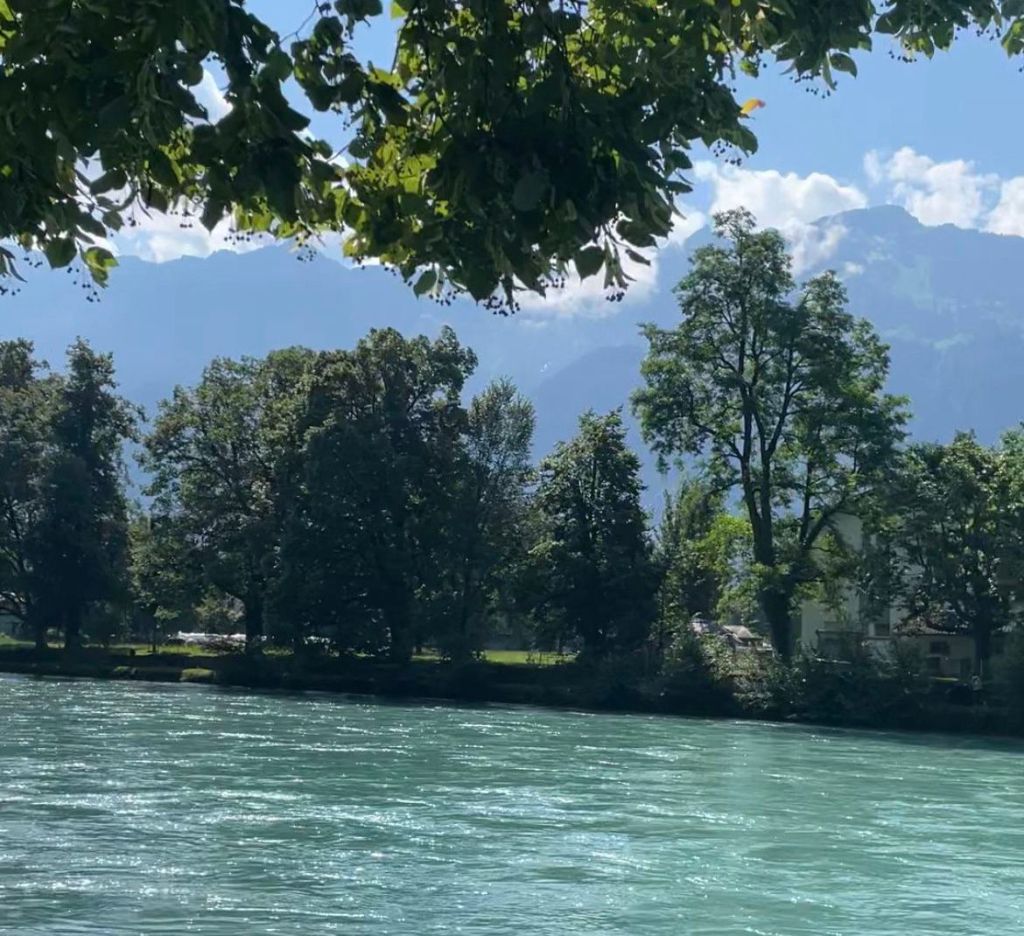
The River Nile in Egypt in another story, a long beautiful one. There are Nile cruises, restaurants and cafes that light up the nights, and sleep during the day. Yet, my best memories are not from Cario but from the village where my father family used to live in the Upper Egypt. I can still remember the view of the river from the backdoor of the village mosque. The river looked so serene, so elegant, surrounded by green trees, listening to small birds chirping here and there. My father would hold my tiny hands as we climbed down a few steps to the riverbank. There, he let me watch some fishermen at work, and sometimes he would teach me how to hold a fishing rod. The smell of its water and fish was so special, so fresh.

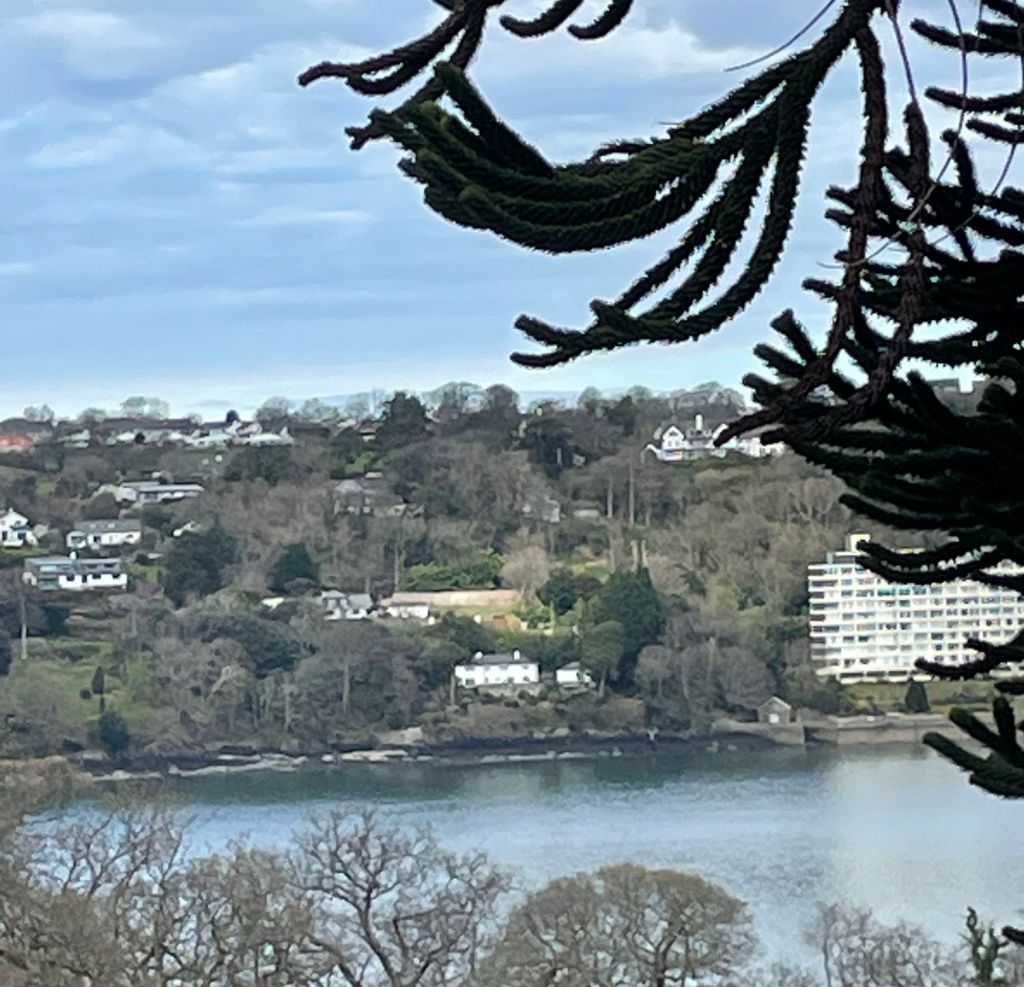
In England, I’ve been fascinated by the tides. I don’t recall noticing this phenomenon in Egypt, perhaps because back then I was so young, and didn’t know much about tides. But in England, it amazed me to see the ocean so far from the shore. It felt extraordinary to walk a mile or two on bare, wet sand, scattered with seaweed and shells, and then find just a few puddles left behind, as the tide remains out, with no sign to return any soon.

Have you heard the saying: Flow like a river, and live like an ocean?

Isn’t it beautiful to let your life flow with the wisdom of the river and live with the ocean’s tides?

In the end, life is both a unique journey with an unexpected adventure.

With hope and peace,

Nahla